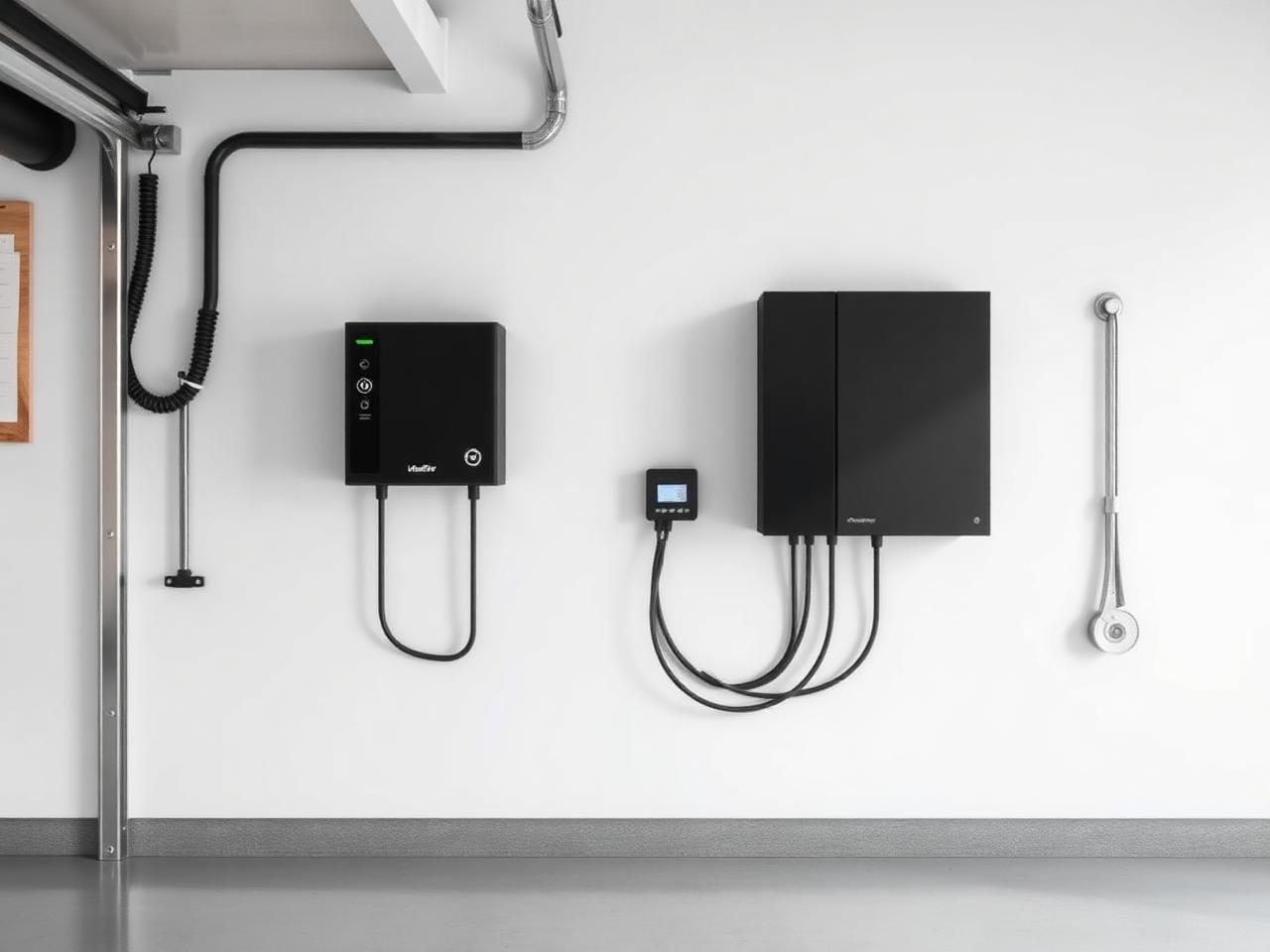
EV Charging
EV charger installation: what actually happens on the day
From load assessment and earthing to cable routing and DNO notification — a plain-English walkthrough of a compliant home charge point install.
Glacier Install TeamNICEIC-standard electricians 5 min read
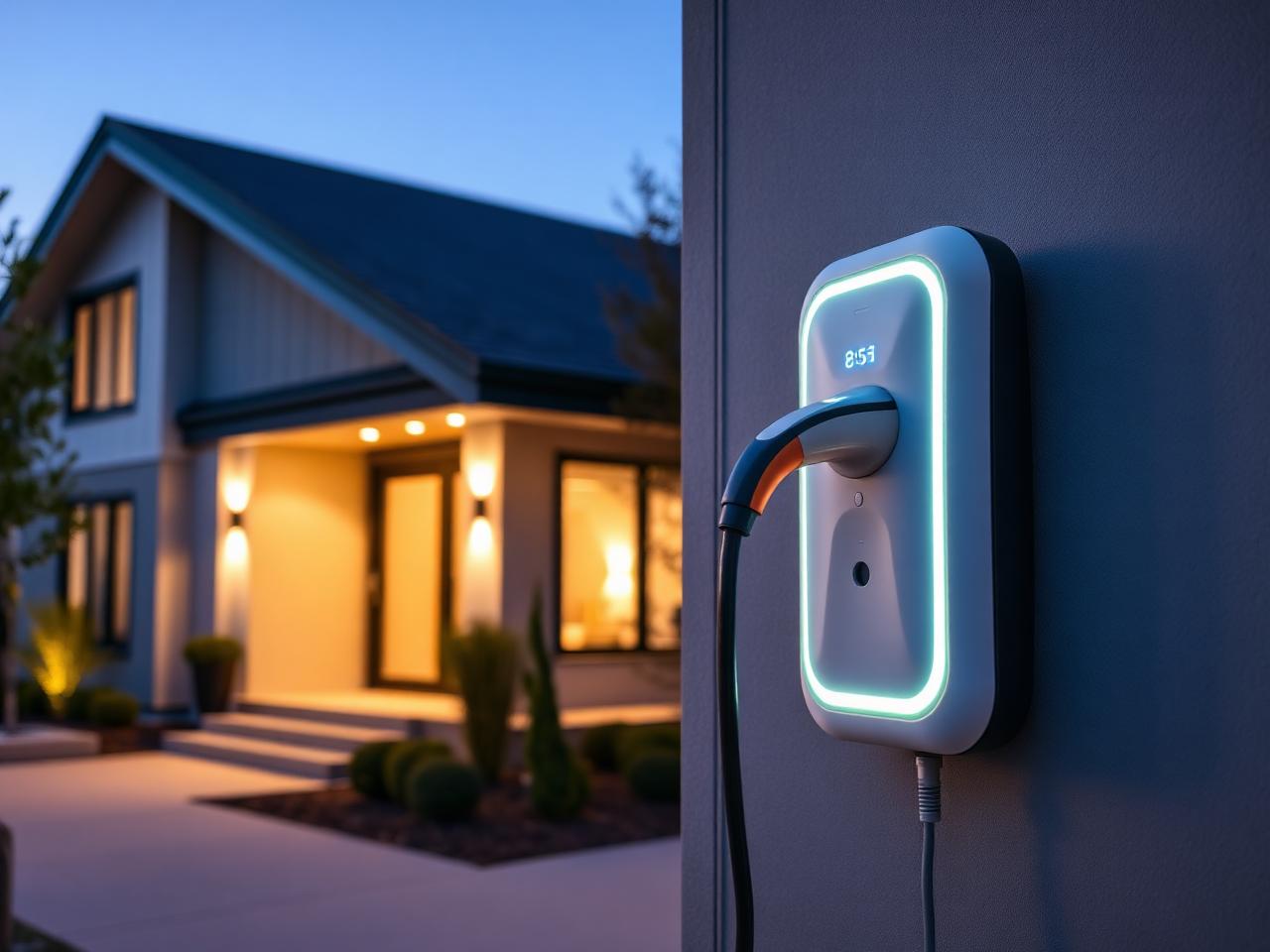
A home charge point install is a small job done properly or a fire risk done quickly. Here is the sequence a compliant installation follows.
Before the van arrives
- Supply and main fuse rating check (usually 60A, 80A or 100A).
- Maximum demand and load-curtailment assessment.
- Earthing arrangement review — PME requires either an earth rod or an integrated PEN-fault device.
- DNO notification, either pre-approval or notify-after depending on the supply.
On the day
Typical installs take two to four hours: dedicated circuit from the consumer unit, Type A RCD or RCBO protection, cable routed and clipped to a discreet line, charger mounted, commissioned and app-paired.
We hand over all three, plus a labelled circuit and a walkthrough of scheduling charges against your tariff.